
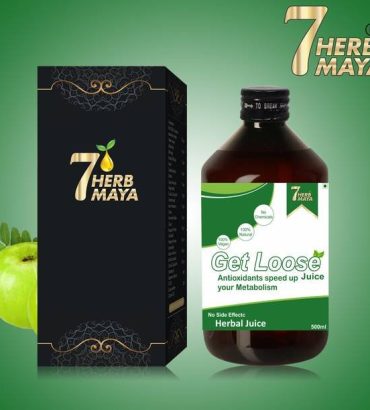
 7Herbmaya Get Loose Body Weight Loss Juice, Fat Burning
 Subtotal: ₹498.00

 13 October 2025
Top 7 Organic Food Myths Busted: What You Really Need to Know
The world of organic food has exploded in popularity over the past few years — and for good reason. More people are turning to organic fruits and vegetables for their health benefits, natural taste, and eco-friendly farming methods.
But with the growing trend comes a lot of confusion and misinformation. As more people choose organic, so do the organic food myths surrounding it. Some believe all organic foods are completely pesticide-free. Others think it’s just an expensive marketing trick.
So, what’s the truth?
Let’s clear the air and debunk the top 7 organic food myths — so you can make smarter, healthier choices for yourself and your family.
🥦 1. Myth: Organic Food Is Completely Free of Pesticides
This is one of the most common organic food myths out there. While organic farming avoids synthetic pesticides, that doesn’t mean it’s 100% pesticide-free. Farmers often use natural or plant-based pesticides, which are much safer and less harmful to the environment.
The real difference lies in how organic food is grown. Organic farmers focus on healthy soil, crop rotation, and natural pest control — rather than heavy chemical use. So while your veggies aren’t totally pesticide-free, they’re definitely cleaner, safer, and more sustainable.
🌾 2. Myth: Organic and Non-Organic Foods Are the Same
Here’s another myth worth busting. Many people think organic and non-organic foods are basically identical — but they’re not.
Organic farming emphasizes sustainability, soil fertility, and biodiversity. Non-organic farming, however, often depends on synthetic fertilizers, pesticides, and GMOs.
Research suggests that organic foods may contain slightly higher nutrients and fewer chemical residues. Beyond that, choosing organic supports eco-friendly farming and helps protect the planet’s natural balance.
🛒 3. Myth: Organic Food Is Always More Expensive
This one is partly true — but not the full story. Yes, some organic foods cost more, but it depends on factors like the season, crop type, and where you buy them. The slightly higher price often reflects ethical, small-scale farming and eco-conscious production methods.
Here’s the good news: as demand grows, organic prices are becoming much more competitive.
If you’re shopping smart, you can find affordable options online. For instance, A1 Mandi offers fresh, organic produce straight from local farms to your home — without breaking the bank.
🍅 4. Myth: Organic Food Doesn’t Taste Any Different
Anyone who’s bitten into a ripe, organic tomato or a crisp organic apple knows — this myth doesn’t hold up.
Organic fruits and vegetables often have a richer, more authentic flavor because they’re grown in nutrient-rich soil without chemical interference. That natural growth process enhances the food’s true taste.
So, if you love food that actually tastes like food, going organic is a flavor upgrade your taste buds will thank you for.
🧾 5. Myth: Organic Labels Are Just a Marketing Trick
Some people assume that “organic” is just a buzzword used to charge higher prices — but that couldn’t be further from the truth.
Organic certification is a strict, government-regulated process. Farmers must meet specific standards prohibiting GMOs, synthetic fertilizers, and certain pesticides.
Certified organic farms are also inspected regularly to ensure full compliance. So, when you see a genuine organic label, you’re not just paying for fancy packaging — you’re supporting honest, sustainable, and responsible farming.
🌍 6. Myth: Organic Farming Can’t Feed the World
You’ve probably heard this one before — that organic farming can’t produce enough to feed everyone. But that’s another oversimplified myth.
While organic yields may be lower per acre, they bring long-term sustainability through soil regeneration and biodiversity. Techniques like crop rotation, composting, and natural pest control make organic farming more efficient over time.
And let’s not forget — reducing food waste and supporting local farms can easily close the production gap. Feeding the world isn’t just about yield; it’s about smarter, cleaner systems.
To learn more about sustainable organic farming techniques, check out ProKrishi.shop — a great resource for eco-conscious farming solutions.
🍪 7. Myth: Organic Means 100% Healthy
Here’s one of the final organic food myths — and it’s a big one. Just because something is labeled organic doesn’t automatically make it healthy.
An organic cookie or soft drink can still be loaded with sugar or sodium. The “organic” label refers to how food is produced, not its nutritional value. So always check labels, and focus on whole foods like fruits, vegetables, and grains for a balanced diet.
🌱 Why Choose Organic Foods Anyway?
Despite all the myths, the benefits of organic food are real. Organic farming promotes better soil health, reduces pollution, and supports sustainability.
When you buy organic, you’re also helping local farmers who genuinely care about nature and food quality. Plus, organic produce leaves a smaller carbon footprint and contributes to a cleaner planet.
Every time you shop from trusted sources like A1 Mandi, you’re not just buying food — you’re investing in your health and the Earth’s future.
🔍 How to Identify Genuine Organic Products
Want to make sure what you’re buying is truly organic? Here’s what to look for:
✅ Certification logos such as India Organic or USDA Organic
✅ Clear packaging labels with farming details
✅ Reputable stores and verified online sellers
✅ Transparent ingredient lists
These small checks ensure you’re supporting real organic farmers, not just marketing gimmicks.
🌿 The Bottom Line: Myths vs. Reality
There’s a lot of noise out there, but now you know the truth behind the most common organic food myths.
Organic doesn’t mean perfect — but it does mean cleaner, safer, and more sustainable. Choosing organic food protects your health, the environment, and supports ethical farming practices.
It’s not just a lifestyle trend. It’s a conscious choice for a better, greener future.
💚 Final Thoughts
When it comes to what you eat, knowledge is power. Understanding the truth behind organic food myths helps you make confident, health-conscious decisions.
So, the next time someone says organic food is all hype, you’ll know better — and you can proudly choose what’s right for you and your family.
Go ahead and explore the variety of fresh, organic fruits and vegetables available at A1 Mandi.
Because when you choose organic, you’re choosing wellness — for yourself, your loved ones, and the planet. 🌎